
Updated August 11, 2026 at 4:17 p.m. Colombia time
Twenty-four hours after the violent earthquake struck western Colombia, rescuers are still searching rubble, authorities are consolidating reports from several cities and many families are waiting for news.
The situation at a glance
The magnitude 7.4 earthquake struck at 7:34 a.m. on August 10. Its epicentre was near San José del Palmar in Chocó, at a reported depth of around 100 kilometres. Search and rescue operations resumed early on August 11 in several cities and towns across western Colombia.
The data remains fragmented: national and local authorities publish at different times and do not always cover the same areas. None of the tolls below should be presented as final or added to another.
Four successive updates, four reporting scopes
The national government remained on an earlier toll of at least 111 deaths. A later Asocapitales update relayed by EFE reported 169 deaths and 668 injuries, including 165 deaths in capital cities.
The Associated Press then aggregated statements from mayors and governors in Cali, Pereira, Chocó and Manizales: at least 179 deaths in those four areas. A more recent aggregate from local authorities, relayed by Reuters and published by EL PAÍS on August 11, brought the provisional total to 224 deaths, without national consolidation.
On the morning of August 11, Cali’s unified command post reported 95 deaths, 949 injuries, 239 people reported trapped and 86 people rescued in the city. This local toll documents the situation in Cali and must not be added to a national total. AP also referred to more than 3,000 reports of people who could not be reached; this is not an official national list of missing persons.
Access hampers rescue operations
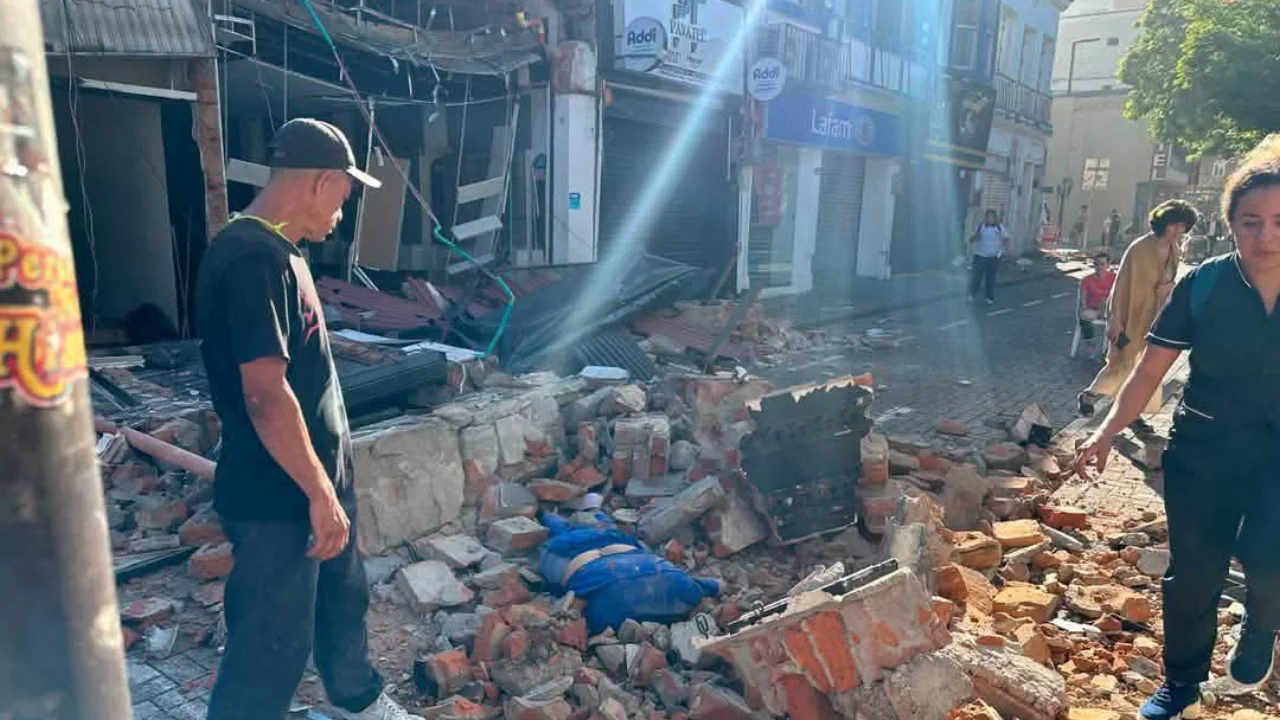
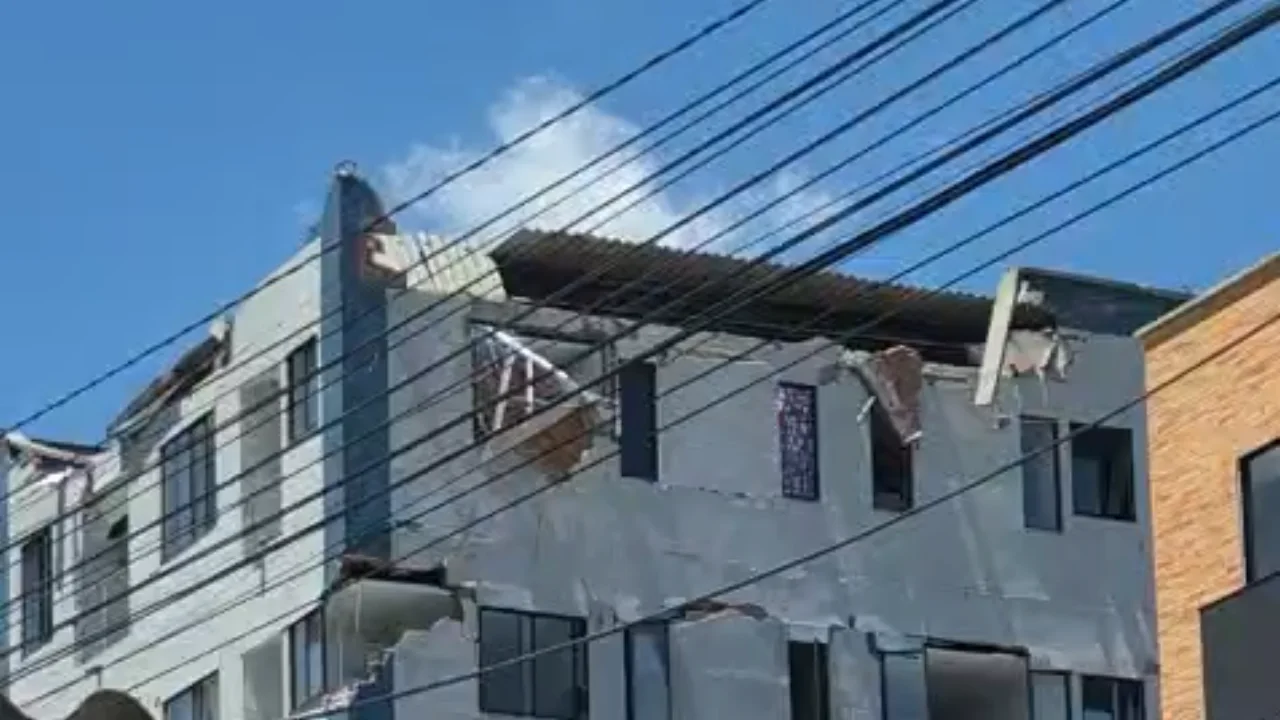
AP reported around 1,600 buildings damaged or collapsed across the region. In Cali, the local update listed 45 structures that had totally or partially collapsed and 93 buildings with preliminary damage. In El Cairo, local authorities estimated that 80% of the town was damaged.
Much of Chocó can only be reached by boat, through the jungle or by air, leaving the full extent of the damage unclear. Pereira banned private vehicles to clear routes for ambulances, police and rescuers; Cali and Pereira had imposed curfews on the evening of August 10.
Aftershocks placed in their proper chronology
The Colombian Geological Service had counted 47 aftershocks by 6:30 p.m. Colombia time on August 10. The strongest reached magnitude 4.8. This retrospective addition belongs to August 10, not to the August 11 update. Further aftershocks remain probable.
The national toll presented in Pereira
At 11:55:33 a.m., a Diario La República post relayed the briefing delivered in Pereira by President Abelardo de la Espriella. The president presented a provisional national toll of 181 deaths, 2,595 injured people and 195 missing people.
This update does not silently replace the local aggregate of 224 deaths published by EL PAÍS at 7:39 a.m. from local reports. The cutoff times, scopes and methods are not aligned, so the difference cannot be treated as a decrease. Likewise, the presidential figure of 2,595 injured people remains separate from the earlier RFI/AFP figure of 1,300.
Nationwide damage reported by the presidency
The same briefing listed 1,136 destroyed homes, 8,357 damaged homes, 48 collapsed buildings, 807 schools, 85 health centres, 74 roads, 377 community centres, 16 aqueducts and one airport runway affected.
These are nationwide figures announced in Pereira. The publication does not identify each affected site or the severity of each damage or service interruption. The figures remain provisional and must not be added to local assessments.
What remains unknown
There is no definitively consolidated national toll or final, verified list of missing people yet. Damage across rural Chocó remains especially uncertain. Establishing why individual buildings collapsed will require independent engineering assessments and access to plans, soil studies and renovation records.
A separate regional aggregate reaches at least 240 deaths
At 1:51:40 p.m., EFE updated an aggregate compiled from departmental and capital-city authorities: at least 240 deaths, including 130 in Valle del Cauca, around 90 in Risaralda, 14 in Chocó and 6 in Caldas. This regional figure is not a consolidated national toll.
The related local figures also cover different areas: Cali reported 949 injured people, 86 people rescued and 239 reported trapped under rubble; Chocó reported 138 injured and 5 missing; Caldas reported 76 injured and more than 1,300 homes affected.
EFE also said Medicina Legal had received 160 bodies from the four departments. EFE’s aggregate of 240 deaths, the earlier figure of 224 compiled from other local reports and the presidential national toll of 181 remain separate because their cutoff times, scopes and methods are not aligned.
A separate forensic status at 1:30 p.m.
Comunicado Oficial 02 from the Instituto Nacional de Medicina Legal y Ciencias Forenses sets a 1:30 p.m. Colombia-time status of 165 bodies received by its facilities from Chocó, Caldas, Risaralda and Valle del Cauca. Forty-three victims had been identified, and release to families was being coordinated with the Fiscalía General de la Nación.
This forensic count updates EFE’s earlier report that 160 bodies had been received, but it is not a new consolidated national death toll. It must not be added to the regional aggregates of 240 or 224 deaths or confused with the presidential national toll of 181. The names of identified victims are not published.
Documentary video
Atención: Presidente de la Espriella entrega nuevo balance de víctimas tras terremoto en Colombia
The video documents the presidential briefing in Pereira. It is not independent confirmation of the toll.
Watch the footage on YouTube
These Shorts document damage and search operations in the affected cities.
Update history
Updated August 11, 2026 at 12:22 p.m. Colombia time
Added the national toll presented by the president at 11:55:33 a.m. and the reported damage. Retrospective addition of the 7:30 a.m. slot for the local aggregate published at 7:39 a.m. The tolls of 181 and 224 deaths, and of 1,300 and 2,595 injured people, remain separate. The VANGUARDIA video of the Pereira briefing was added as documentary material, not independent confirmation.
Updated August 11, 2026 at 2:50 p.m. Colombia time
Retrospective addition to the 2:00 p.m. slot of EFE’s regional aggregate published at 1:51:40 p.m.: at least 240 deaths. This regional total replaces neither the earlier local aggregate of 224 nor the presidential national toll of 181.
Updated August 11, 2026 at 4:17 p.m. Colombia time
Retrospective addition to the 1:30 p.m. slot: Medicina Legal had received 165 bodies from four departments and identified 43 victims. EFE’s earlier report of 160 bodies remains documented; this forensic count is not a national toll and is not added to any other total. A second previously authorized local image was added.
Sources and transparency
- Servicio Geológico Colombiano
- Associated Press — 11 août 2026
- EL PAÍS — direct du 11 août 2026
- EFE via Cadena SER — 11 août 2026
- Diario La República — déclaration présidentielle, 11 août 2026
- RFI / AFP — 11 août 2026
- VANGUARDIA — vidéo du point présidentiel
- EFE — mise à jour du 11 août 2026
- Instituto Nacional de Medicina Legal — Comunicado Oficial 02